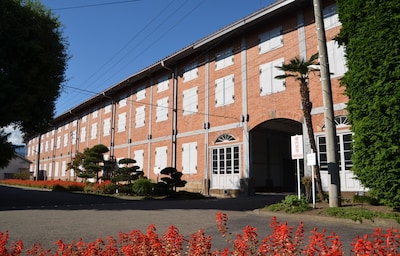
The Tomioka Silk Mill
Located in Gunma Prefecture, the Tomioka Silk Mill is a well-preserved symbol of modernization and international cooperation. It was recognized as a World Cultural Heritage Site in 2014.


Located in Gunma Prefecture, the Tomioka Silk Mill is a well-preserved symbol of modernization and international cooperation. It was recognized as a World Cultural Heritage Site in 2014.
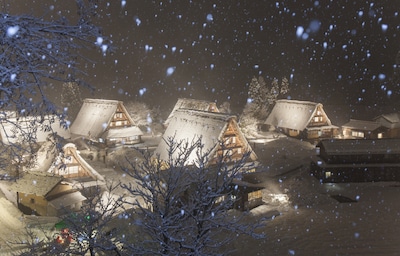
Travel to Gifu and Toyama to learn all about the charming and scenic historic villages of Shirakawa-go and Gokayama, two of Japan's UNESCO World Heritage Sites.
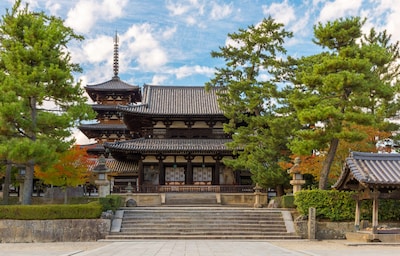
Travel to Horyu-ji, a historic Buddhist temple in Nara Prefecture that was once one of the powerful Seven Great Temples of Ancient Nara.
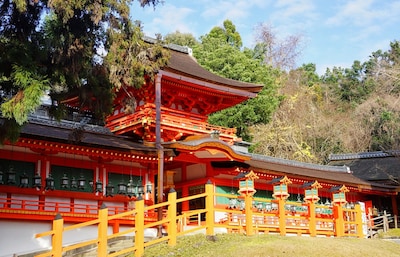
Once the capital of Japan, the historical monuments of Nara include temples, a shrine, a palace, a forest and lots of deer!
There are a lot of incredible hot springs in Japan. These four hot springs are not well known, but they'll surprise you! They all have something special in common—can you guess what it is?
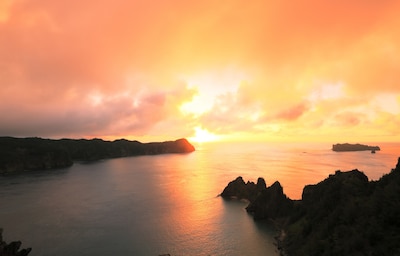
Tokyo is great for food, shopping and relaxation. But you should know there are also a handful of stellar World Heritage Sites right in the area!
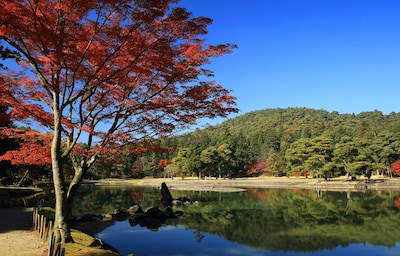
Located in Iwate Prefecture, Hiraizumi was the administrative center of northeastern Japan in the 12th century, said to have rivaled the splendor of Kyoto at its peak.

When the sites of Japan’s Meiji industrial revolution were added to UNESCO's list of World Heritage Sites, Highlighting Japan spoke with then-Commissioner for Cultural Affairs Masanori Aoyagi about the significance of World Heritage Sites in Japan.


