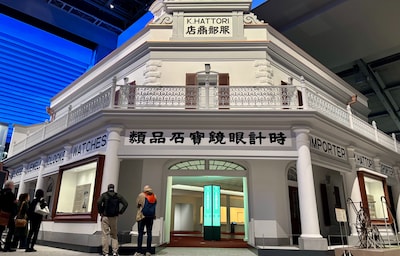
Dive Into Tokyo’s Evolution at the Refurbished Edo-Tokyo Museum
After a four-year closure for renovations, the Edo-Tokyo Museum has reopened to tell the story of the capital's remarkable evolution and transformation.


After a four-year closure for renovations, the Edo-Tokyo Museum has reopened to tell the story of the capital's remarkable evolution and transformation.
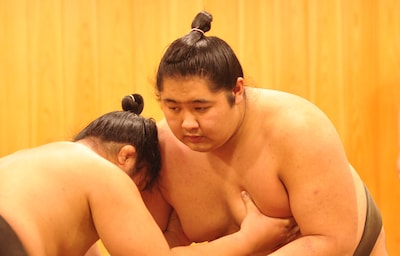
Japan’s titans of the ring live and train at roughly 40 sumo stables, with the majority located in Tokyo. A visit to one of these grappling incubators will give you a closeup look at how these giants train and what their lives are like.

The exhibition “YBA & BEYOND: British Art in the 90s from the Tate Collection” is running until May 11 at the National Art Center, Tokyo in Roppongi. At the museum, one of Japan’s largest art spaces, visitors can follow the radical developments in British art during the 1990s.
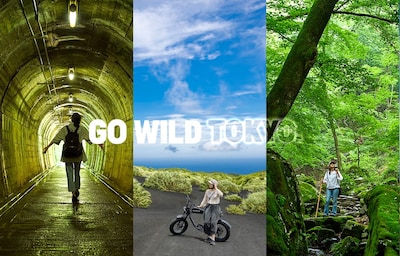
The GO WILD TOKYO! series introduces eight experiences across the city’s western and southern reaches that showcase the appeal of adventure tourism. These are not just sightseeing itineraries, but travel meant to encounter fascinating ways of life: meeting people who protect forests while welcoming visitors, and innovators creating new experiences through fire, water, and the natural world.

A journey that links the bustling heart of Tokyo with a small community on the city’s mountainous western fringe reveals the story of a pioneering watch company and the traditional artisanship that helped inspire one of its latest collections.
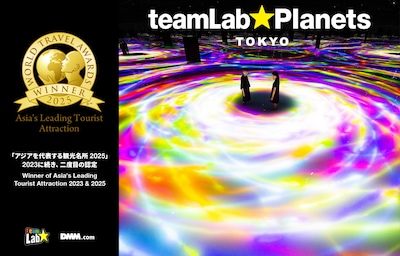
The digital art museum teamLab Planets TOKYO DMM, located in Toyosu, Tokyo, has been named “Asia’s Leading Tourist Attraction” at the World Travel Awards 2025, one of the most prestigious honors in the global travel industry. This marks its second win, following the award in 2023. Since opening seven years and three months ago, the museum has welcomed over 10 million visitors, with about half being international travelers.
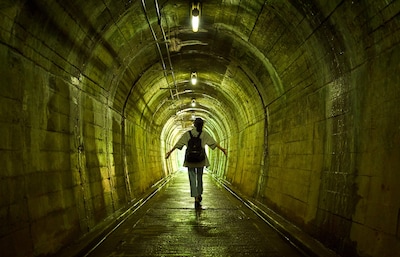
Hamura City, along the middle reaches of the Tama River, is a compact municipality where people and water systems have long coexisted—and where diverse wildlife and human life still share the landscape. In the Edo period, excavation of the Tamagawa Josui aqueduct brought water to Edo. From the Meiji through the Showa eras, construction of the Murayama Reservoir and Yamaguchi Reservoir made Hamura the starting point for sending water to Tokyo—and remain as sources that sustain daily life. Through tours that trace the route of the former Hamura–Yamaguchi Light Railway that was used to build those reservoirs, the Hamura City Tourism Association shares the region’s role and history.
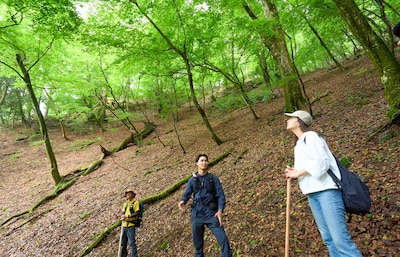
About an hour by train from Shinjuku, the Nishitama area of western Tokyo opens into gentle valleys with clear rivers and forested mountains. Today, this region has become a hub for raising the standard of Japan’s adventure-tourism (AT) guides to international levels—and spreading those standards nationwide. Leading the charge is Fourth Wellness (now Tokyo Yamagawa DMC). Despite its location within Tokyo, the Tama area encompasses a national park and brims with nature, history, and culture. With mountains, rivers, and four distinct seasons that support diverse ecosystems, it is an ideal place both to enjoy adventure tourism and to cultivate professional guides. We joined the field sessions of their guide-training program.


